Category

Travel

Category

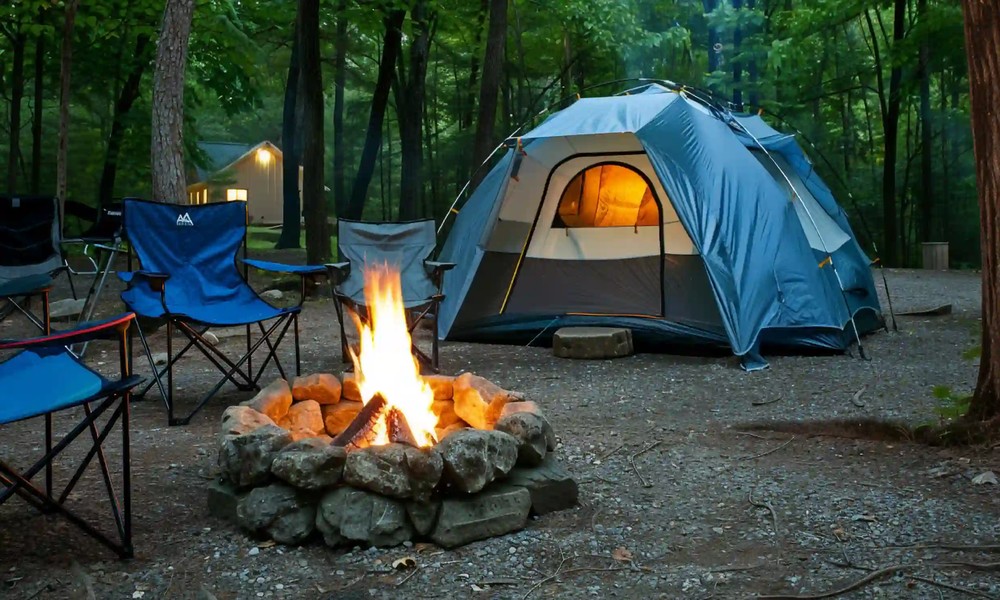
There’s a special kind of freedom in waking up close to nature, without missing out on the comforts that make travel truly relaxing. You see it at festivals where the campground feels like a boutique village, or at a lakeside retreat where canvas lodges stand neatly among the pine trees. Behind many of these experiences lies a smart solution that bridges the gap between a classic tent and a permanent structure: the semi-permanent tent.

Unlike lightweight backpacking tents, semi-permanent structures are built to stay up for weeks, months, or even an entire season. For travelers, that often means a more reliable outdoor stay: less hassle, more comfort, and a space that feels thoughtfully designed.

Travel moments where semi-permanent tents shine

This type of temporary accommodation emerges when a destination wants to combine the charm of camping with the convenience of a small lodge. Common examples include:

– Festival villages and multi-day events where guests want to sleep dry and safe and store their belongings

– Glamping resorts in forests, vineyards, and coastal dunes with a focus on comfort and minimal environmental impact

– Seasonal camps near ski resorts or national parks that operate for a few months a year

– Remote base camps for hiking, kayaking, or wildlife tours where a stable shelter makes long days outdoors easier

If you like waking up to the sound of birds but also want a real bed and a door that closes, this is the perfect compromise.

Advantages that make a difference on the road

A semi-permanent tent is built for long-term use. The materials are usually heavier-duty, the frame is designed for stability, and the design can better handle changing weather. That often means greater wind resistance, better protection against rain, and options for insulation or ventilation, depending on the climate.

Another advantage is flexibility. Hosts can use the same structure as a sleeping area, dining area, yoga space, or covered lounge. Because many models are modular, you can expand them, rearrange them, or move them when the season ends or the location changes. Specialists like permanent tent demonstrate how semi-permanent solutions are suitable for long-term use while remaining adaptable.

Practical tips for booking a stay

1. Check exactly what “comfort” means. Some tents have real beds, heating, and a private bathroom; others are essentially luxury camping.

2. Ask about temperature control. In warm areas, ventilation and shade are important; in cooler regions, insulation and extra blankets help.

3. Let op de vloer. Een verhoogde vloer is prettig bij nat weer en houdt de ruimte schoner.

4. Neem iets mee tegen licht en geluid. Canvas laat vaak vroeg licht door en de natuur heeft een eigen soundtrack. Oordoppen en een slaapmasker kunnen helpen.

5. Denk aan regendagen. Bij slecht weer is een overdekte gemeenschappelijke plek of een binnenactiviteit in de buurt extra waardevol.

Why travelers keep choosing this option

Semi-permanent tents strike the perfect balance: adventurous, but not exhausting. You get the closeness to nature that makes travel memorable, plus the stability that helps you truly recharge.

Whether you’re heading to a festival, trying glamping for the first time, or planning a trip centered around hiking and stargazing, this type of accommodation can easily turn camping into a comfortable and relaxing getaway.

Japan changes during the hot summer months. Now the streets fill with beautiful sounds. You can hear loud, booming drums. Sometimes sweet flutes play elegant songs. People wear beautiful cotton robes called yukata. The night air becomes very warm. Bright paper lanterns light up the dark sky. You will see incredible energy everywhere. Communities practice their dances for many months. But the actual events bring pure joy. The local people welcome all visitors warmly. You should experience this magical atmosphere yourself. Every region has its unique celebration. Many travelers join specialized japan festival tours to see these wonderful events in person. These journeys offer deep cultural insights. You will create unforgettable summer memories.

The Historic Splendor of the Gion Matsuri

Kyoto holds a very famous celebration. The ancient city honors its long history. Long ago, a terrible plague struck the people. So, the community started a special ritual. They wanted to please the powerful spirits. Now the event lasts for one whole month. But the massive street parades are the best part. Giant wooden floats move through the streets. You will marvel at their immense size. Skilled artisans decorate the structures with beautiful tapestries. Musicians sit high inside the moving floats. They play traditional instruments with great care. Sometimes the heavy wheels creak loudly on the pavement. The spectators watch with intense concentration. You can feel the living history around you. The old traditions remain completely alive today.

The Fierce Energy of the Aomori Nebuta Matsuri

Now we travel to the far north. Aomori hosts a wild fire festival. The dark nights become incredibly bright. Massive paper lanterns glide through the town. These floats show brave, mythical warriors. The artistic designs look very fierce. Talented masters spend months building the floats. They use clever wooden frames and strong wires. Hundreds of bright lights burn inside the paper. But the enthusiastic dancers bring the real energy. These joyful people are called haneto dancers. They jump very high into the air. The dancers wear unique, colorful hats with flowers. They shout a famous local chant together. The loud voices echo through the streets. You will want to dance with them. The incredible rhythmic energy is highly infectious.

The Gracious Movements of the Awa Odori

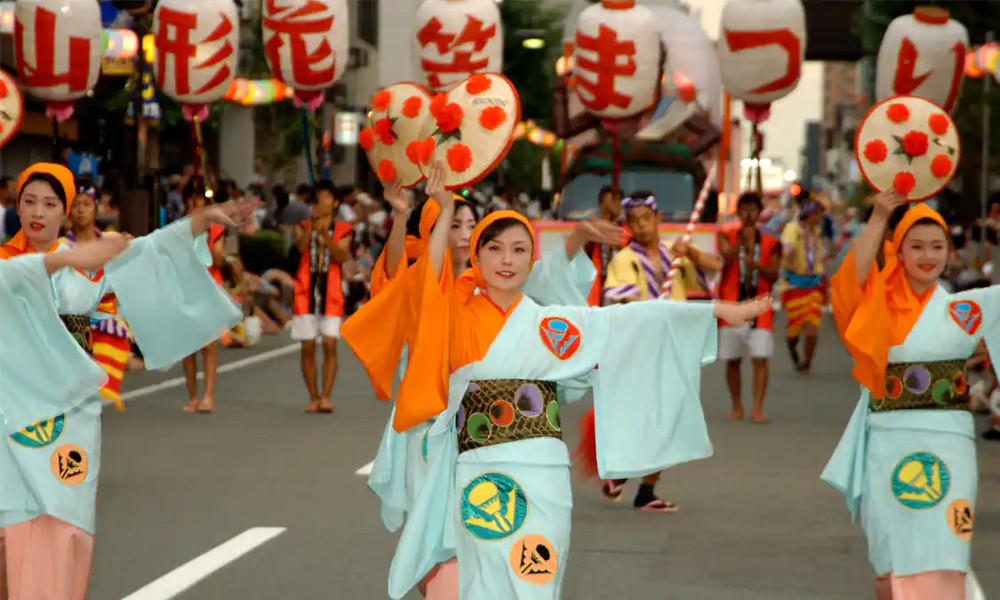
Another spectacular event happens on Shikoku Island. Tokushima becomes a massive dance floor. This famous folk dance has a long history. It started more than four hundred years ago. Now over one million people watch the fun. The performers form distinct groups called ren. Every group wears a matching traditional costume. The women wear beautiful, curved straw hats. They balance gracefully on high wooden sandals. Sometimes the men dance with wild abandon. They bend very low to the ground. They wave colorful paper fans in the air. The main song has very funny lyrics. It says that onlookers are fools. So, you should definitely join the dance. The happy crowd moves through the streets until midnight.

The Deep Spirit of Festive Japan

These amazing celebrations show the true heart of the nation. The ancient rituals connect people across generations. Neighbors work hard together to build the beautiful floats. Children learn the complex dance steps from their grandparents. So, the ancient culture remains strong and vibrant. Visitors feel a powerful sense of belonging. You will see bright smiles on every single face. Delicious street food stalls line the busy pathways.

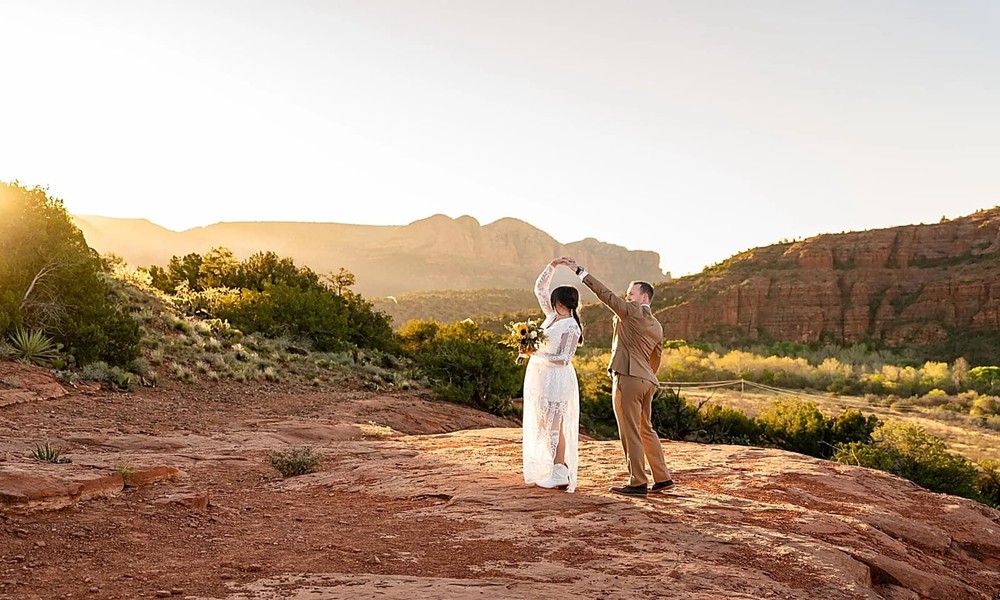
Planning to elope in Sedona makes sense for couples who want a simple wedding day with strong scenery and fewer moving parts. Sedona gives you red rock views, quiet ceremony spots, and weather that works well through much of the year. I usually recommend Sedona to couples who care more about the experience and location than a large event schedule.

A good Sedona elopement should feel organized, calm, and easy to manage. That becomes hard when couples try to coordinate permits, photography, ceremony timing, vendors, and travel on their own. This is where choosing the right company matters.

Why Sedona Works Well for Elopements

Sedona stands out because the scenery already does most of the work. You do not need heavy decorations or a large venue budget to create a strong wedding setting. The red rock backdrop gives photos depth and color at almost every hour of the day.

Many couples choose Sedona elopement packages because the area fits several styles:

  • Private sunrise ceremonies
  • Sunset ceremonies with guests
  • Small Sedona micro wedding celebrations
  • Adventure-focused red rock elopements
  • Relaxed destination weddings

Arizona also makes the legal process easier than many states. Couples can get a same-day marriage license without a waiting period. That removes a major planning obstacle for destination weddings.

What to Look for in Sedona Elopement Packages

Not every package includes the same level of support. Some companies only provide an officiant and photography. Others help manage the full process.

I suggest looking for packages that include:

  • Photography
  • Officiant services
  • Permit coordination
  • Venue setup
  • Planning guidance
  • Marriage license support
  • Vendor recommendations

This keeps you from dealing with multiple companies during the planning process.

One reason many couples choose Elopements Inc. is because they handle the logistics in a way that keeps the day simple. They have over 20 years of experience and have officiated more than 8,000 ceremonies. Their process focuses on reducing stress while still giving couples a strong visual experience in Sedona.

They also offer support through a private online portal where couples can manage contracts, invoices, planning details, weather updates, and galleries in one place. That level of organization helps when planning from another state.

Best Locations for a Sedona Elopement

The location shapes the entire experience. Sedona has several ceremony areas that work well depending on guest count, privacy needs, and photography goals.

Yavapai Vista

Yavapai Vista works well for couples who want open panoramic views. You get direct views of Capitol Butte, Coffee Pot Rock, and Cathedral Rock.

This location is popular because it feels scenic without requiring a difficult hike. Accessibility matters more than many couples expect once formal clothing, guests, and photography equipment become part of the day.

Secret Slick Rock

Secret Slick Rock offers a quieter setting surrounded by red rock formations. Couples who want privacy often lean toward this option.

It works especially well for smaller ceremonies and couples who want a calm environment without tourist traffic nearby.

Crescent Moon Ranch

Couples planning a Cathedral Rock wedding often look closely at Crescent Moon Ranch. The creekside setting gives the ceremony a softer look while still keeping Cathedral Rock visible in the background.

This location photographs well at sunset because the lighting reflects against the rocks and water.

Baby Bell Rock

Baby Bell Rock fits smaller Sedona micro wedding ceremonies and two-person elopements. The area feels more intimate and less crowded than some larger viewpoints.

It is also a good choice for couples who want a short ceremony followed by portraits around the nearby trails and rock formations.

Why Red Rock Elopements Need Planning

Red rock wedding locations look simple online, but the logistics still matter. Timing affects lighting, crowd levels, and weather conditions.

For example:

  • Sunrise ceremonies usually provide softer light and fewer people
  • Sunset ceremonies often create stronger colors in the rocks
  • Wind conditions can affect hair, dresses, and audio
  • Some areas require permits and guest restrictions

This is where experienced planning helps. Elopements Inc. assists couples with permits, ceremony coordination, timelines, and vendor referrals. That removes many of the common issues couples run into when planning destination weddings alone.

They also provide photography with edited high-resolution images included in their packages. That matters because Sedona lighting changes quickly, especially around sunrise and sunset. Experienced photographers familiar with the terrain usually produce better results than general wedding photographers visiting the area for the first time.

Sedona Micro Wedding vs Traditional Wedding

Many couples compare a Sedona micro wedding to a traditional wedding because of cost, time, and stress levels.

Traditional weddings often involve:

  • Long planning timelines
  • Large guest lists
  • Multiple vendors
  • Venue restrictions
  • Higher catering and rental costs

Sedona elopement packages simplify much of that process.

Couples can focus on:

  • The ceremony
  • Photography
  • Travel
  • Time together
  • A smaller guest experience

That does not mean the wedding feels smaller emotionally. In many cases, the experience feels more personal because the focus stays on the couple rather than event management.

How I Would Approach Planning

If I were helping a couple plan a Sedona elopement, I would focus on three things first:

Those decisions shape almost everything else.

After that, I would narrow the venue based on accessibility, privacy, and photography goals. Then I would look for a company that can coordinate the details without adding complexity.

Elopements Inc. stands out because they combine venue access, planning support, officiant services, photography, and vendor coordination into one process. That structure helps couples spend less time managing logistics and more time preparing for the experience itself.

The call of World Adventure Tours resonates deeply with those seeking more than ordinary vacations-journeys that challenge the body, awaken the senses, and leave lasting impressions through active engagement with the planet’s most dramatic landscapes. Whether scaling mountain peaks, paddling remote rivers, or trekking ancient trails, these experiences transform travel into personal growth and discovery. In an era where travelers increasingly crave authentic, immersive outings over passive sightseeing, understanding the best destinations and smart planning becomes essential for creating safe, rewarding adventures. This guide draws from established patterns in global adventure travel to highlight standout locations and provide practical advice that helps turn dreams into reality. From rugged wildernesses to cultural frontiers, the world offers endless possibilities for those ready to step beyond comfort zones. By exploring top spots and preparation strategies, this article equips readers with the knowledge to craft meaningful expeditions that respect environments and communities while delivering unparalleled excitement.

What Makes World Adventure Tours Special

Adventure travel stands apart through its emphasis on physical activity, cultural immersion, and connection to nature. Unlike conventional tourism focused on landmarks and relaxation, these tours involve hiking, cycling, kayaking, climbing, or wildlife exploration in challenging yet accessible settings. Participants often join small groups led by experienced guides who prioritize safety while encouraging personal achievement.

The appeal lies in the transformative power of these experiences. Pushing physical limits amid stunning scenery builds resilience and perspective. Many tours incorporate sustainable practices, supporting local economies and conservation efforts. This responsible approach ensures that adventure contributes positively to destinations rather than overwhelming them. For many, the combination of adrenaline, learning, and environmental awareness creates profound memories that extend far beyond the trip itself.

Variety defines the field, with options ranging from multi-day treks to water-based explorations or winter pursuits. This diversity allows customization based on fitness levels, interests, and time constraints, making adventure travel accessible to a broad range of enthusiasts while still offering genuine challenge.

Top Destinations for Adventure Travel

The planet features numerous regions celebrated for their adventure potential, each offering unique landscapes and activities that draw explorers year after year.

Patagonia, spanning Chile and Argentina, captivates with its dramatic glaciers, jagged peaks, and vast wilderness. Torres del Paine National Park provides world-class trekking routes where hikers encounter turquoise lakes, ice fields, and diverse wildlife. The region’s remoteness rewards those willing to venture far, with opportunities for kayaking fjords or horseback riding across windswept plains.

New Zealand remains a premier choice for its compact yet varied terrain. From the volcanic landscapes of the North Island to the dramatic fjords and mountains of the South, activities abound. Multi-day hikes like the Milford Track showcase pristine forests and waterfalls, while adventure hubs offer bungee jumping, jet boating, and glacier climbing. The country’s commitment to outdoor access makes it ideal for combining multiple pursuits in one journey.

The Himalayas, particularly in Nepal and Bhutan, deliver high-altitude thrills and cultural depth. Everest Base Camp treks provide iconic views and insights into Sherpa communities, while less crowded routes in Bhutan emphasize mindful exploration amid monasteries and valleys. These areas test endurance while rewarding with spiritual and scenic richness.

Africa’s diverse offerings include safari adventures in Namibia’s Etosha National Park, where vast salt pans attract wildlife, and walking safaris in Zambia’s South Luangwa for close-up encounters. Morocco’s Atlas Mountains offer trekking through Berber villages, blending physical challenge with cultural immersion.

South America’s Inca Trail in Peru leads to the ancient citadel of Machu Picchu, combining archaeology with strenuous hiking. Costa Rica’s rainforests and volcanoes support zip-lining, whitewater rafting, and wildlife observation in biodiverse settings.

Europe contributes with the Swiss Alps for mountaineering and skiing, Slovenia’s emerging trails and rivers for multi-activity escapes, and Corsica’s rugged coastlines for hiking and canyoning without overwhelming crowds.

These destinations highlight the globe’s adventure spectrum, from polar extremes to tropical jungles, each providing distinct thrills and perspectives.

Iconic Adventure Activities Around the World

Specific pursuits define many world adventure tours, offering benchmarks for thrill-seekers.

Trekking stands as a cornerstone, with routes like the Inca Trail or Torres del Paine’s W Trek delivering multi-day immersion in stunning environments. These paths demand preparation but reward with sunrise views over ancient ruins or glacial valleys.

Whitewater rafting thrills on rivers such as the Zambezi below Victoria Falls or Costa Rica’s Pacuare provide adrenaline through rapids amid wildlife-rich scenery.

Mountaineering appeals to those seeking summits, with options from introductory climbs in the Alps to guided ascents in the Himalayas. These experiences build technical skills under expert supervision.

Water-based adventures include sea kayaking in Norway’s fjords or snorkeling with marine life in the Galapagos. Cycling tours through Vietnam’s countryside or New Zealand’s trails combine exploration with moderate exertion.

Wildlife-focused outings, such as gorilla trekking in Uganda or polar expeditions in Antarctica, blend adventure with conservation awareness.

These activities, when chosen thoughtfully, create balanced itineraries that match personal capabilities while maximizing excitement.

Essential Travel Planning Tips for Adventure Tours

Thorough preparation distinguishes successful adventures from stressful ones. Begin by assessing fitness honestly and selecting trips aligned with current abilities, allowing gradual progression to more demanding options.

Research destinations thoroughly, considering seasonal conditions that affect accessibility and safety. Dry seasons often provide better trails and visibility, though shoulder periods offer fewer crowds.

Secure comprehensive travel insurance covering adventure activities, including evacuation and medical expenses. Verify policy details for high-risk pursuits.

Pack purposefully, prioritizing versatile, durable gear suited to the environment. Layered clothing manages temperature changes, while quality footwear prevents common injuries. Test equipment beforehand to avoid surprises.

Physical preparation enhances enjoyment and reduces risk. Incorporate training specific to the activity, such as hiking with a loaded pack or building cardiovascular endurance.

Budget realistically, accounting for gear rentals, permits, guides, and unexpected costs. Many operators offer all-inclusive packages that simplify finances.

Choose reputable operators with strong safety records and local knowledge. Small groups often provide better experiences and lower environmental impact.

Maintain flexibility for weather or health changes, building buffer time into itineraries. Respect local customs and environments to foster positive interactions.

Health precautions include consulting professionals about vaccinations and medications, particularly for remote areas. Carry basic first-aid supplies and know emergency protocols.

These steps create a foundation for confident, enjoyable exploration.

Frequently Asked Questions (FAQ)

What are the best destinations for adventure travel in 2026?

Popular choices include Patagonia for trekking and glaciers, New Zealand for diverse outdoor activities, the Himalayas for high-altitude adventures, and emerging spots like Slovenia and Corsica for less-crowded European exploration. Africa and South America also feature prominently for wildlife and cultural experiences.

How do I choose the right adventure tour for my fitness level?

Assess your current activity level and match it to tour descriptions. Beginners should start with moderate options like guided hikes or multi-activity trips, while experienced adventurers can tackle demanding treks or climbs. Consult operators for recommendations and gradual progression plans.

What should I pack for a world adventure tour?

Focus on layered, moisture-wicking clothing, sturdy footwear, a reliable daypack, rain protection, and sun defense. Include personal medications, a reusable water bottle, and activity-specific items like trekking poles. Keep luggage light, especially for flights to remote areas.

Is travel insurance necessary for adventure activities?

Yes, standard policies often exclude high-risk pursuits. Select coverage that includes adventure sports, emergency evacuation, and trip interruption. Read terms carefully to ensure protection matches planned activities.

When is the best time to book adventure tours?

Book popular trips 9-12 months ahead, especially for limited-permit routes like the Inca Trail or peak-season safaris. Shoulder seasons offer better availability and value, though weather should guide final decisions.

How can I make adventure travel more sustainable?

Choose operators committed to low-impact practices, support local communities through fair wages and purchases, minimize waste, and follow leave-no-trace principles. Off-season travel and smaller groups reduce environmental pressure.

What physical preparation is recommended before an adventure trip?

Build endurance through regular cardio, strength training, and activity-specific practice. For trekking, hike with weight; for water sports, improve swimming and balance. Consult a doctor if needed, especially for high-altitude or remote destinations.

Conclusion

World adventure tours represent the pinnacle of meaningful travel, blending physical challenge, cultural discovery, and deep connection to extraordinary places. From Patagonia’s wild expanses to New Zealand’s versatile playgrounds and the spiritual heights of the Himalayas, these destinations deliver experiences that test limits while enriching perspectives. Thoughtful planning-encompassing fitness preparation, responsible choices, and practical logistics-transforms potential obstacles into seamless journeys that prioritize safety and enjoyment. By embracing these principles, adventurers not only create personal milestones but also contribute to the preservation of the world’s remarkable landscapes. The path ahead promises growth, wonder, and stories worth telling, reminding us that the greatest rewards often come from stepping boldly into the unknown. May your next adventure inspire courage, respect, and a lifelong passion for exploration.

Strong team spirit grows when people gather with purpose. A refined setting shapes mood and focus while guiding shared goals. The right event venue builds trust through thoughtful design and careful planning. Every corner supports interaction, so ideas move freely among participants. When space aligns with intention, teams feel valued and motivated to contribute with pride. That harmony encourages lasting bonds and sparks growth beyond routine meetings, especially within a luxury event venue kamala phuket that reflects excellence and shared ambition.

Creative Space Planning Methods

A well-arranged hall directs attention without forcing a rigid structure. Flexible layouts allow groups to shift positions and maintain steady energy during an event. Lighting choices influence mood while subtle tones reduce tension among coworkers. Quiet zones support reflection so individuals can reset before joining discussions again. Balanced spacing prevents crowding and keeps movement smooth across the venue.

Structured Engagement Activity Flow

Clear sequencing aids teams stay present and stops mental overload. Each segment builds on the previous one, so progress feels meaningful. Participants recognize direction and respond with stronger commitment. The venue layout supports this flow by guiding movement naturally.

  • Guided group challenges strengthen trust while encouraging open communication habits
  • Rotating discussion circles promotes fairness through shared speaking opportunities for everyone
  • Creative problem sessions inspire cooperation using simple tools and clear instructions
  • Reflection pauses allow members to reset their minds before continuing collaborative tasks
  • Celebratory recognition moments reward effort and reinforce positive collective behavior

Interactive Team Building Design

Activities crafted for cooperation deepen trust and reveal hidden strengths. Shared challenges guide members to communicate clearly during an event. Facilitators shape pacing so momentum never fades or feels rushed. Carefully selected props add liveliness while keeping purpose intact. When members sense fairness, they involve fully and support each other. Some planners reference models such as luxury event venue kamala phuket to inspire structure and flow.

Atmosphere Driven Motivation Strategies

The environment affects attitude more than many leaders expect. Gentle sound control reduces distraction and supports thoughtful exchange. Visual themes connect with company values and reinforce unity. Comfortable seating arrangements help posture and keep attention steady. Staff guidance ensures transitions stay smooth throughout the event.

Measurable Collaboration Outcome Focus

Tracking results gives leaders insight into behavioral change. Feedback sessions reveal patterns in cooperation and highlight growth areas. Observing interaction quality during an event provides useful signals. Organizers adjust future plans based on these findings. Consistent review turns gatherings into long-term development tools. Teams notice improvement and feel proud of shared progress.

Thoughtful planning turns gatherings into engines for unity and progress. Leaders should match spatial design with human needs so cooperation rises naturally. Clear activity flow paired with reflective pauses keeps attention steady while nurturing mutual respect. Evaluating interaction patterns guides smarter preparation for future meetings. By refining structure and atmosphere, organizations cultivate stronger bonds that support steady achievement and collective confidence.

FAQ

How can a venue shape stronger cooperation among working teams?

A supportive layout guides interaction and encourages respectful shared communication.

Why does the atmosphere influence motivation during organized workplace gatherings?

Mood control helps participants stay attentive and willing to collaborate effectively.

What planning step improves long-term collaboration after structured group meetings?

Careful evaluation reveals behavior patterns that guide smarter future preparation.

Lake Maggiore is one of Italy’s most alluring destinations for travelers who enjoy the outdoors, history, and culinary delights. Camping Lago Maggiore allows guests to enjoy the stunning scenery, from mountains to serene lakeshores, in a flexible and immersive way. Cannobio, a historic town on the northern lake shore, offers a charming base with quaint streets, vibrant markets, and lakeside promenades.

Lakeview Cannobio is a modern campsite designed to accommodate all types of travelers. Guests can choose traditional camping pitches for an authentic experience, mobilehome Lago Maggiore units for convenience, or ferienwohnung Cannobio apartments for a comfortable and private stay. With direct lake access, green spaces, and recreational amenities, Lakeview Cannobio balances nature and modern comfort seamlessly.

Camping at Lakeview Cannobio is versatile. Guests can spend mornings swimming in the lake, afternoons hiking in the nearby hills, or exploring Cannobio’s cultural and culinary offerings. Evenings can be spent enjoying peaceful walks along the shore or relaxing in their accommodation. The combination of scenic beauty, historical charm, and modern facilities ensures an unforgettable stay.

The campsite’s family-friendly design includes safe play areas, shaded zones, and lakeside spaces for relaxation. Couples can enjoy quiet corners, while solo travelers can immerse themselves in the tranquility of the surrounding nature. Recreational zones and clean amenities make the campsite suitable for extended stays or short getaways.

Holiday Apartments at Lakeview Cannobio

Choosing a ferienwohnung Cannobio adds comfort, space, and privacy. Fully equipped kitchens, bedrooms, and living areas make the apartments suitable for families, couples, and small groups. Compared to mobilehome Lago Maggiore units, apartments offer more space, improved insulation, and a quiet environment.

Guests can plan their days independently, cook meals, and relax in private outdoor areas like terraces or balconies. Families benefit from additional room for children, while couples enjoy an intimate atmosphere. Long stays are made easier with the convenience and home-like feel of holiday apartments.

Holiday apartments combine the advantages of camping – such as proximity to nature and community areas – with the comfort of a private home. This makes them an ideal choice for travelers seeking flexibility and comfort.

Activities at Lake Maggiore

Lake Maggiore provides an impressive range of activities. Water sports are a highlight, including sailing, swimming, kayaking, and paddleboarding. Boat trips offer opportunities to explore scenic islands, small towns, and historic villas along the lakeshore.

Hiking and cycling are popular in the surrounding mountains and valleys. Trails range from easy walks along the lake to challenging mountain paths, offering breathtaking views and opportunities to experience wildlife and nature. Photography enthusiasts will find countless scenic spots for sunrise, sunset, and panoramic landscapes.

Cultural experiences are also abundant. Cannobio and nearby towns feature historic churches, palaces, and gardens. Seasonal festivals, local markets, and culinary events allow visitors to immerse themselves in Italian culture. Guests can enjoy local dishes, freshly caught fish, and traditional desserts at lakeside restaurants.

Families have access to safe beaches, playgrounds, and outdoor recreational facilities. Couples can enjoy romantic evening walks or boat rides, while solo travelers can explore art, history, and nature. Visitors can also take short trips to neighboring towns such as Verbania, Stresa, or the Borromean Islands.

Lake Maggiore offers an ideal combination of adventure, culture, relaxation, and gastronomy, making it a perfect destination for camping holidays. Lakeview Cannobio provides the ideal base to explore the lake and enjoy both nature and comfort.

Travelers seeking balance often look for spaces that slow the mind and refresh the senses. Thoughtful rooms, gentle colors, and natural textures influence how people feel each day. Early planning usually includes hotel phuket, shaping expectations around comfort and mood. Soft lighting, open layouts, and quiet corners help restore inner peace. Clear details support relaxed choices that feel right from arrival.

Design choices that soothe senses

Calming interiors use natural elements to reduce stress and visual noise. Neutral palettes create breathing space. Organic shapes soften harsh edges. Together, these details support rest without effort.

Elements shaping gentle living spaces

Small decisions often have the biggest impact on comfort and mental clarity.

  • Natural fiber fabrics help regulate body temperature comfortably
  • Indoor plants improve air quality and visual calmness
  • Earth-tone walls supporting restful sleep patterns
  • Window placement guides soft daylight through rooms
  • Minimalist furniture reduces clutter-related anxiety
  • Sound-absorbing panels softening outside noise distractions
  • Handcrafted décor adds warmth and authenticity
  • Open shelving encourages mindful organization habits

Movement, light, and balance

Wellness-focused interiors encourage gentle movement and easy flow. Clear pathways prevent stress. Sunlight creates natural rhythms. Balanced layouts help guests feel oriented and safe within their surroundings.

What makes wellness design truly restorative?

Restorative spaces respond to human needs, not trends. Calm design reduces sensory overload. When layouts feel intuitive, people relax faster. Familiar comforts combined with natural elements promote emotional safety, helping guests recharge without conscious effort.

Textures that invite relaxation

Soft linens, warm wood, and woven fabrics create sensory comfort. These textures reduce tension. They also bring emotional warmth. Guests feel welcomed rather than overstimulated.

Location shaping peaceful experiences.

Tropical settings naturally support wellness through ocean air and soft breezes. Many visitors notice hotel phuket environments combine nature with mindful interiors. This blend encourages deeper rest, flexible routines, and quieter mornings that feel unhurried and personal.

Understanding interior wellness features

Not all wellness spaces look the same. Knowing what features matter helps guests choose wisely. Simple elements often deliver the greatest comfort. Transparency makes comparisons easier.

FAQ on Custom Art Curation and Design Firms

  • How do design firms personalize art for wellness interiors? They study emotional tones, textures, and calming color rhythms.
  • Why choose custom art curation for tranquil spaces? It creates harmony between décor and mood.
  • What role does light play in curated artwork placement? It highlights texture while preventing visual strain.
  • How do firms blend traditional and modern art styles? Balanced compositions create seamless visual flow.
  • What budgets suit custom art curation projects? Flexible plans adapt to homes, hotels, and resorts.
  • How long does a full curation process usually take? Timelines range from weeks to several months.

Lasting comfort through mindful spaces

Peaceful interiors support emotional clarity and physical ease. Thoughtful design encourages slower living without effort. Gentle spaces create meaningful memories. Guests leave feeling lighter and more present.

Some places do not need to impress you straight away. They work slowly. You arrive tired, maybe still thinking about emails or traffic, and within a short time something changes. Your shoulders drop. Your breathing slows. That shift is exactly why people searching for cool hotels in Phuket are moving away from loud resorts and busy layouts. They want a stay that feels calm without trying too hard.

Set quietly among greenery. There is no rush when you arrive. No noise pushing you to do more. The place gives you space first, then comfort follows naturally. At the start, it feels unfamiliar. Then it feels easy. And then it feels right.

Architecture that blends into surroundings

Nothing here feels dropped into the landscape. The buildings seem to belong where they are. Lines are soft. Materials feel warm. Paths curve instead of cutting straight through the land.

When architecture blends in like this, the surroundings stay quiet. There is no visual noise. No sharp edges demanding attention. The environment feels balanced, which helps guests feel balanced too.

You notice the greenery more than the structures. And that is the point.

Why private spaces feel more valuable

Privacy changes how people behave. When there is no one watching, people relax faster. They speak freely. They move slower. They sleep better.

Each villa feels like its own world. Outdoor spaces stay quiet. Private pools mean no sharing and no waiting. Guests enjoy mornings and evenings without interruption.

This level of privacy is not about luxury labels. It is about comfort that feels personal and unguarded.

Comfort that feels natural not forced

Some luxury spaces feel stiff. Everything looks perfect, but it does not feel welcoming. That is not the case here. Comfort feels lived in, even on the first day.

Furniture feels placed for use, not display. Rooms feel warm rather than formal. Nothing asks you to behave a certain way. You simply settle in.

That ease helps guests unwind quickly. There is no adjustment period. Comfort comes naturally.

Choosing quality over crowds

Crowds can be exciting for a while. Then they become tiring. Many travelers reach a point where they prefer fewer people and better experiences.

This kind of stay suits that mindset. It values quality space, thoughtful design, and quiet moments. Before leaving, many guests realize that cool hotels in Phuket are not about trends or popularity.

They are about places that respect peace, privacy, and the simple comfort of feeling completely at ease. That feeling stays long after the journey ends.

Freight transportation breaks down into several categories based on what you’re shipping, how much of it there is, and when it needs to arrive. Volume, weight, distance, handling requirements, all these determine which service makes sense. Full trucks for massive loads. Consolidated shipping for smaller amounts. Specialized hauling when cargo gets weird. Deliveree freight transportation solutions show how platforms stopped forcing every shipment into identical boxes and started matching services to actual cargo realities instead.

Full truckload operations

Fill an entire truck, and you get dedicated service. The vehicle serves you exclusively from pickup through delivery without stopping to collect other customers’ stuff. Hotels gutting 20 rooms simultaneously generate enough furniture, fixtures, and décor to justify full trucks. Conference companies moving complete booth setups, including displays, equipment, and promotional gear, occupy entire vehicles. Transit happens fast since drivers go straight to their destination rather than making intermediate stops, slowing everything down.

The economics work once you hit certain volumes. Spreading truck costs across many items drops per-unit pricing dramatically. A hotel shipping 50 beds pays way less per bed using full trucks versus piece-by-piece services charging separately for each item. The math usually tips around 10 to 15 pallets, depending on distance and what you’re hauling. Businesses regularly exceeding this should stop defaulting to smaller shipment services and start negotiating full truckload rates. The savings compound quickly when you’re shipping weekly or daily. Tour operators relocating entire equipment sets between seasonal bases find full trucks cost half what consolidated services charge for identical cargo.

Partial load consolidation

Got three pallets? Five boxes? Not enough justification for dedicated trucks, but too much for parcel services? Less-than-truckload combines your cargo with other shippers heading in similar directions. Restaurants ordering supplies share space with retailers, hotels, and whoever else needs freight moving that route. The consolidation makes shipping economical for volumes sitting in that awkward middle ground between parcel and truckload.

Transit takes longer, though. Trucks stop repeatedly collecting and delivering for multiple customers. Cargo passes through terminals, getting sorted and transferred between regional distribution centres. Your shipment waits while the truck handles other stops before and after yours. A direct truckload might complete in eight hours. The same route through less-than-truckload takes three days because of all the intermediate handling. Tour operators moving gear between seasonal locations accept these delays since their equipment doesn’t fill trucks but exceeds what parcel carriers handle. Hotels receiving furniture during phased renovations similarly use partial loads when quantities don’t justify a dedicated vehicle, but individual piece shipping becomes prohibitively expensive.

Specialized hauling services

Standard freight assumes your stuff fits on regular pallets within normal weight and size limits. Specialized hauling exists for everything that doesn’t. Oversized conference displays measuring 12 feet tall don’t fit in standard trailers. Industrial kitchen equipment weighing 5,000 pounds exceeds regular truck ratings. Resort swimming pool components spanning 20 feet require specialized trailers and often road permits for oversize loads. Hazardous materials create another specialization category:

  • Certain cleaning chemicals require placards and certified drivers
  • Pool maintenance supplies classified as corrosive or flammable
  • Industrial solvents needing specific container types
  • Compressed gases demand specialized transport equipment
  • Any material triggering hazmat regulations through DOT classification

Heavy haul moves exceptionally weighty items like stone sculptures for hotel lobbies, large water features for resort properties, or massive LED video walls for conference centers. These services cost double or triple standard freight but become necessary when cargo characteristics demand them. Temperature-controlled transport maintains specific climate conditions for items that can’t tolerate heat or cold. The specialisation addresses edge cases that standard freight operations refuse to handle.

Quiet locations continue attracting travellers seeking meaningful pauses from busy routines. Privacy becomes valuable when surroundings encourage reflection, rest, and awareness. Gentle sounds from nature replace constant activity noise. Many guests researching villa samui options value this separation deeply. Thoughtful placement supports unhurried moments without interruption. The theme Secluded accommodation settings supporting personal time within natural surroundings reflects this desire for space, clarity, and balance.

Privacy-focused retreat placement choices

Placement determines how space feels emotionally. Distance from crowds supports calm awareness. Natural buffers enhance separation. Careful siting protects solitude throughout the stay.

Environmental elements shaping quiet stays

Natural features influence how secluded settings function daily. Design responds to surroundings thoughtfully.

  • Dense foliage screens views, creating visual privacy without artificial barriers
  • Elevated terrain limits external noise reaching living areas
  • Natural water sounds soften ambient disturbances during rest periods
  • Curved pathways reduce direct sightlines from neighbouring properties
  • Indigenous plantings blend structures into the surroundings discreetly
  • Open sky views encourage reflection without visual clutter
  • Gentle breezes improve comfort without mechanical assistance
  • Earth-toned materials reduce contrast within natural settings

Architectural flow supporting personal rhythm

Design flow shapes daily pace naturally. Open layouts allow choice movement. Defined zones support varied moods. Architecture respects individual timing preferences.

How secluded spaces encourage deeper personal restoration

Seclusion reduces sensory overload gradually. Fewer interruptions allow attention to settle. Natural cues guide breathing pace awareness. Time feels slower without external demands. This supports mental clarity and emotional balance.

Distance from crowds also restores autonomy. Guests choose when to engage in retreat. Silence becomes a companion rather than an absence. Personal routines regain importance through simplicity, presence, and intention.

Visual openness balanced with enclosure.

Balanced openness avoids feelings of isolation. The Windows frame is intentionally. Enclosure protects privacy. Harmony supports comfort and security.

Daily routines enhanced through quiet surroundings

Quiet settings reshape daily habits. Morning reflection becomes natural. Evenings slow gently. Routines align with light sounds and rhythms. Guests choosing villa samui retreats often prioritize this daily rhythm shift.

Comparing secluded stay characteristics

Different settings offer varied solitude qualities. Understanding differences supports selection. Expectations align better.

Setting TypePrivacy LevelNatural Interaction
Hillside retreatHighPanoramic views
Forest edge stayModerateDense greenery
Coastal hideawayHighOcean soundscapes
Garden residenceModerateEnclosed plantings

FAQ on creative design collaboration

  • How does a custom art curation firm support tranquil environments? They select pieces that reinforce calm tones and spatial harmony.
  • What role does a design firm play in retreats? They balance aesthetics, function, and privacy needs.
  • How are artworks chosen for secluded spaces? Selection favours subtle textures and organic themes.
  • Can custom art curation reflect natural surroundings? Yes, artworks often echo landscape colors and forms.
  • When should a design firm join planning? Early involvement ensures a cohesive atmosphere.

Space designed for inward moments

Intentional design nurtures presence, clarity, and rest. Seclusion supports genuine pauses. Nature frames daily life gently. Personal time regains value through simplicity. Secluded accommodation settings supporting personal time within natural surroundings remain a guiding principle for mindful retreats.